
Introduction
If you’ve been shopping for a generator, you’ve likely noticed that models are labeled as either inverter or conventional. For many buyers, the distinction isn’t immediately clear. Both types produce electricity, both can power appliances, and both are available in portable sizes. Confusion often comes from marketing terms, price differences, and vague claims about “clean power” or “advanced technology.”
This comparison is designed for homeowners, RV campers, and outdoor users who want to understand which generator type actually fits their needs. Rather than declaring one option universally better, this guide explains how each type works in practical terms, where each is commonly used, and what their real strengths and limitations are.
By the end, you should have a clear understanding of when an inverter generator makes sense, when a conventional generator is the more practical choice, and how to decide based on your specific use case—whether that’s camping, home backup, or powering tools. This is about choosing the right generator for the job, not chasing buzzwords.
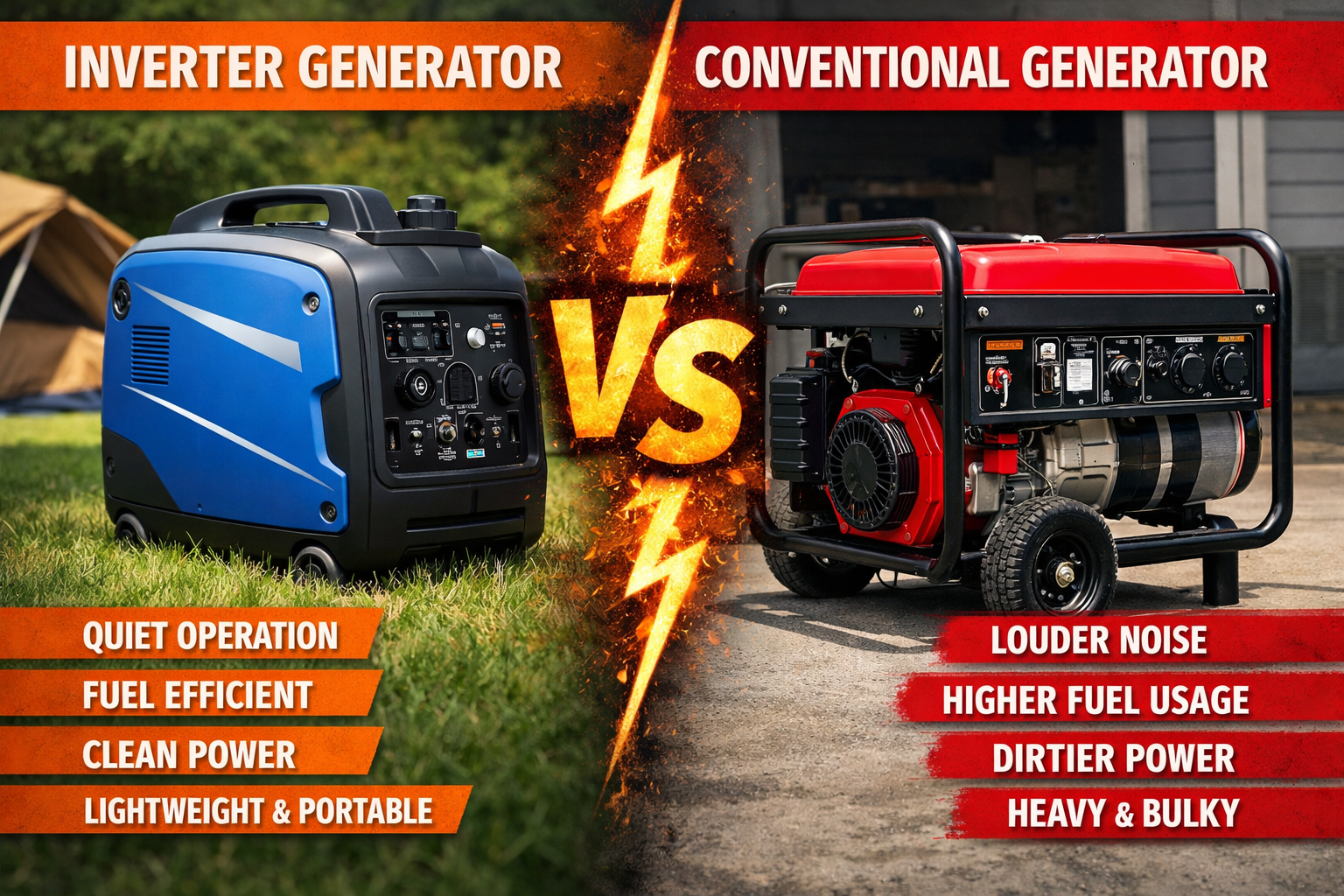
What Is an Inverter Generator?
An inverter generator produces electricity in a more controlled way than a traditional generator. Instead of sending raw power directly to the outlets, it converts the electricity through internal electronics that regulate voltage and frequency. The result is a stable, consistent power supply suitable for modern electronics.
Typical Use Cases
- RV camping
- Powering laptops, phones, and TVs
- Quiet outdoor recreation
Key Strengths
- Produces stable, consistent power
- Generally quieter than conventional generators
- Often more fuel-efficient at lighter loads
Key Limitations
- Usually costs more upfront
- Typically offers lower maximum power output
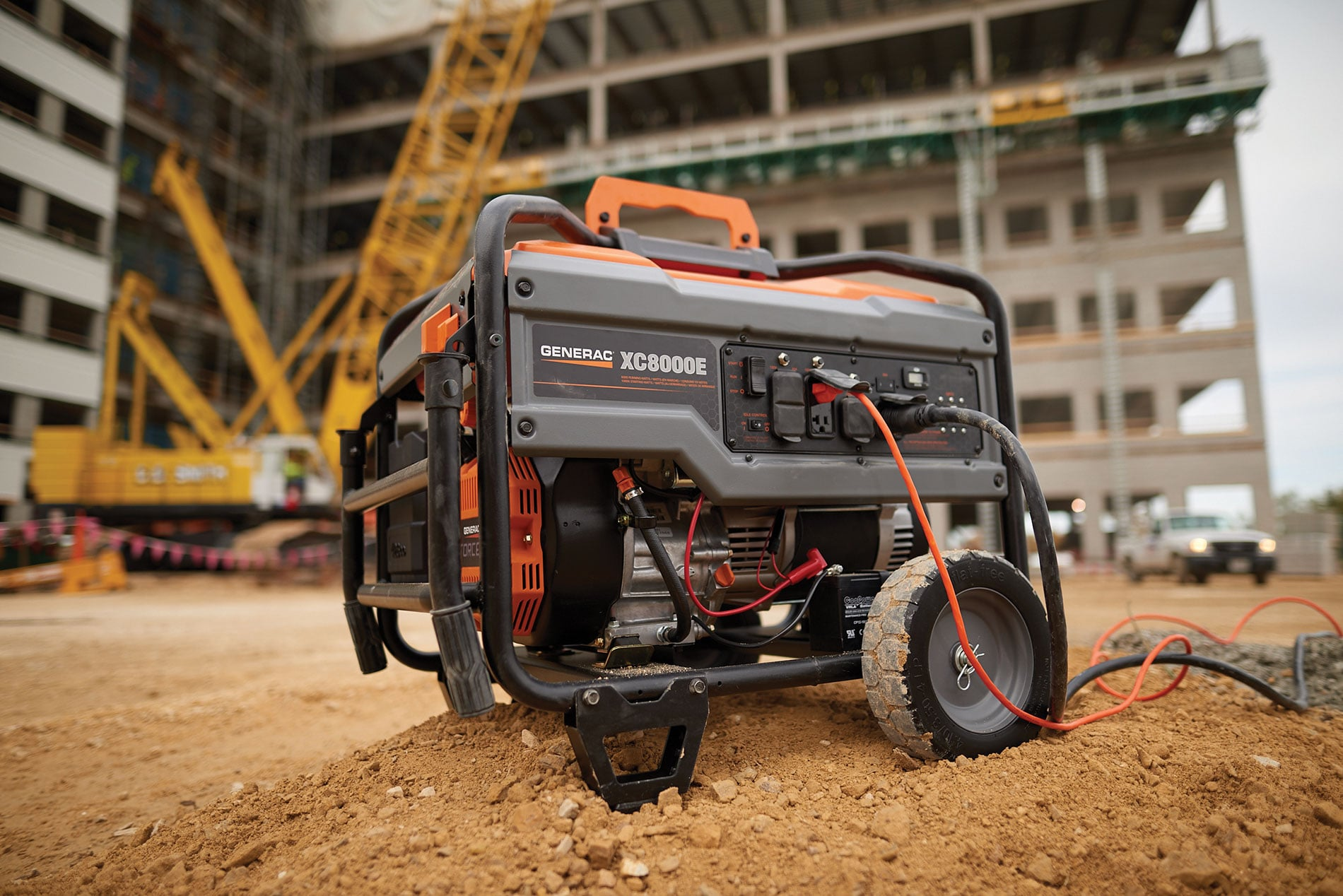
What Is a Conventional Generator?
A conventional generator produces electricity directly from the engine without additional electronic regulation. This long-established design is known for its simplicity and its ability to deliver higher raw power output.
Typical Use Cases
- Power tools and job sites
- Emergency home backup for basic appliances
- Situations where noise is less critical
Key Strengths
- Often delivers higher power output for the price
- Simple, proven design
- Generally more affordable