Best RV Power Adapters & Dogbone Adapters (30A ↔ 50A) for 2026
Best RV Power Adapters Buyer’s Guide
Introduction
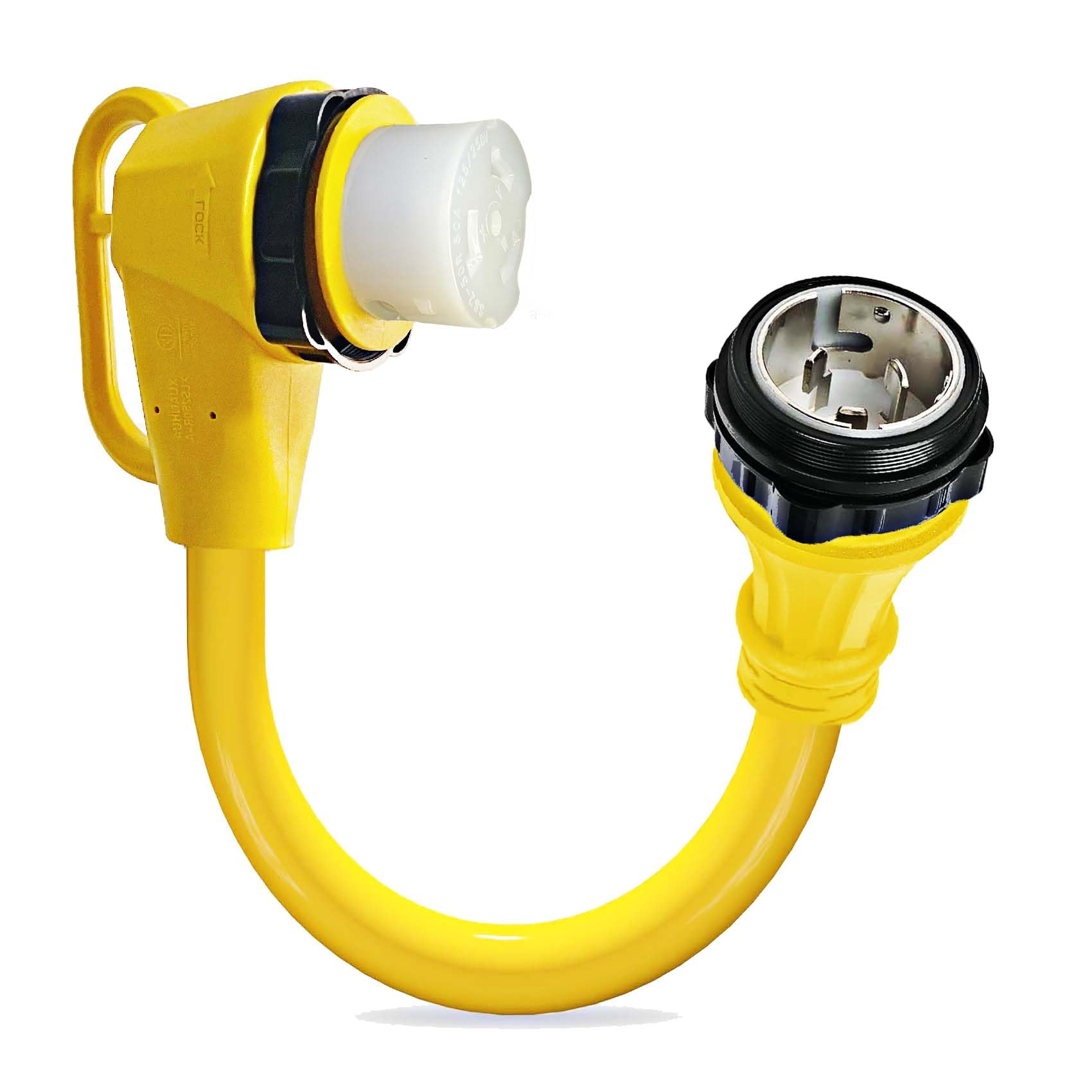
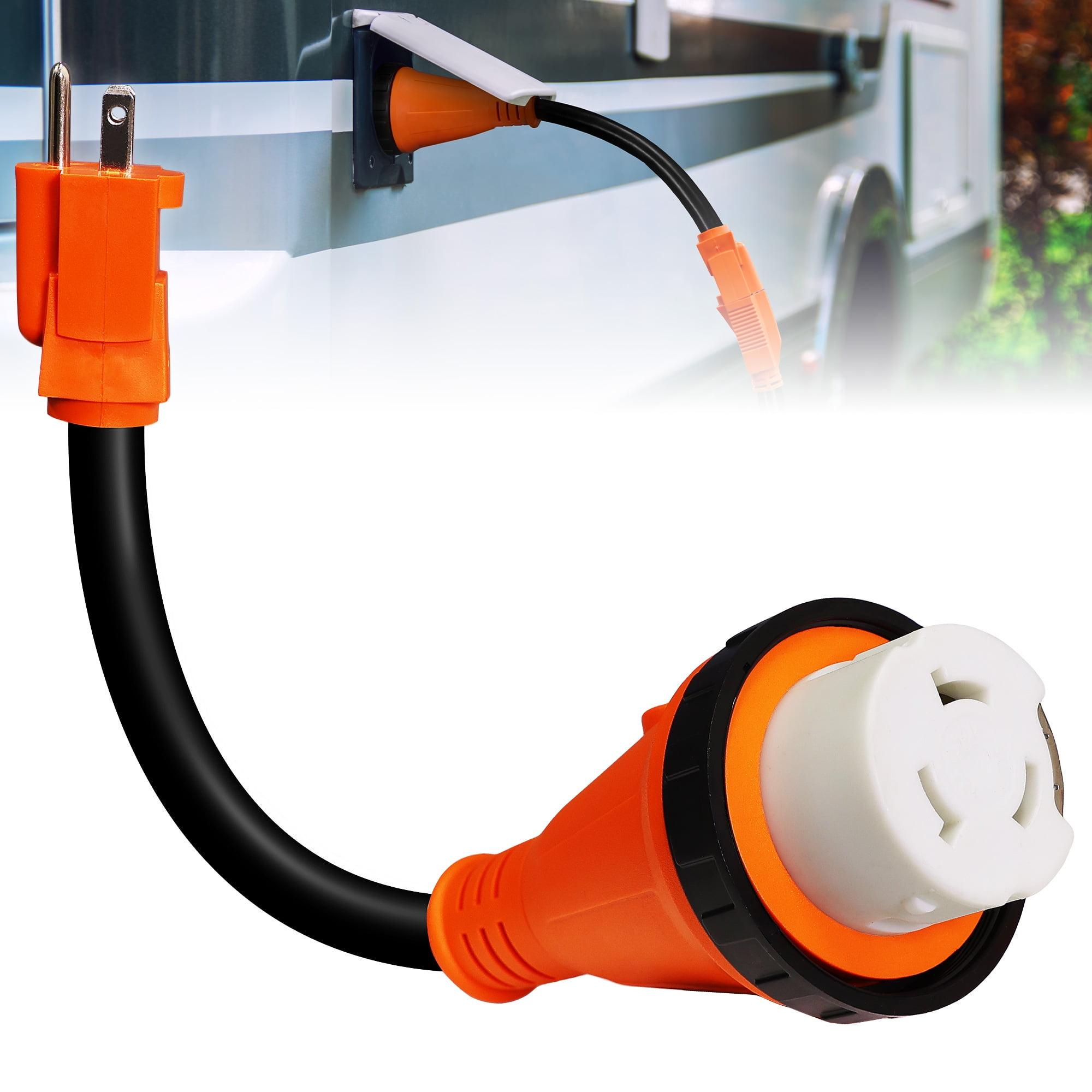
RV power adapters—often called RV dogbone adapters—are simple accessories, but they solve a very common problem: mismatched electrical hookups. Campgrounds, storage facilities, and even residential driveways may offer a different outlet than what your RV is designed to use. An adapter allows you to make that physical connection without altering your RV’s electrical system.
This guide is written for new and first-time RV owners who want to understand which RV power adapters are actually worth carrying and how to use them safely. Adapters come in several common configurations, including 30 amp to 50 amp RV adapters, 50 amp to 30 amp adapters, and household 15 amp to 30 amp adapters. Using the wrong adapter—or misunderstanding what it does—can result in tripped breakers, damaged equipment, or unsafe electrical conditions.
Key buying considerations include adapter direction (male vs female ends), amp rating compatibility, build quality, and electrical safety. It’s also critical to understand that adapters do not increase available power; they only allow a physical connection. When used correctly, they’re a practical backup tool for everyday RV travel.
Quick Comparison Table
| Product / Model | Type | Key Specification | Best For | Price Range | Link |
|---|---|---|---|---|---|
| 30A Male → 50A Female Dogbone | Dogbone adapter | Allows 30A RV to plug into 50A pedestal | 30A RVs at 50A campsites | $ | View |
| 50A Male → 30A Female Dogbone | Dogbone adapter | Allows 50A RV to plug into 30A pedestal | Limited power access situations | $$ | View |
| 15A Household → 30A RV Adapter | Household adapter | Standard 120V household outlet to RV plug | Home use or storage | $ | View |
| Heavy-Duty Locking RV Adapter | Locking adapter | Reinforced connectors and strain relief | Frequent travel or high-use setups | $$–$$$ | View |
Best Overall RV Power Adapter
Heavy-Duty Locking RV Adapter
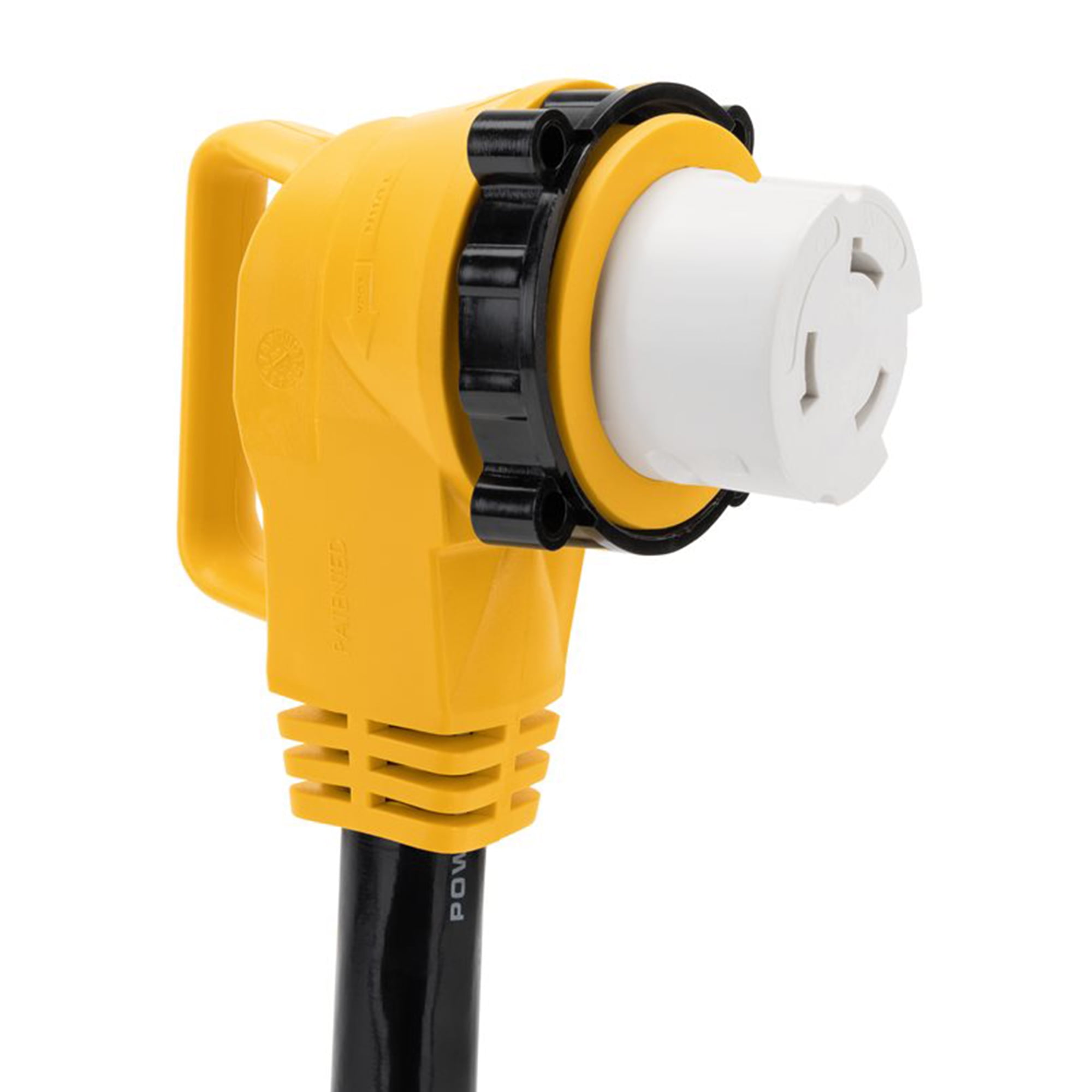
A heavy-duty locking RV adapter is the most versatile and dependable option for most RV owners. These adapters feature reinforced connectors, improved strain relief, and tighter electrical contact than basic molded dogbones. While they cost more, they’re built to handle frequent use and repeated connections.
This option is ideal for RVers who travel often, encounter older or worn campground pedestals, or want a more secure connection that’s less likely to loosen over time. The main trade-offs are added bulk and higher upfront cost.
Pros
- More secure electrical connection
- Better durability for frequent use
- Reduced risk of overheating at the plug
- Stronger strain relief than basic adapters
Cons
- Higher cost than basic adapters
- Bulkier to store
- Still limited by the available power source
Best Value RV Power Adapter
30A Male to 50A Female Dogbone Adapter
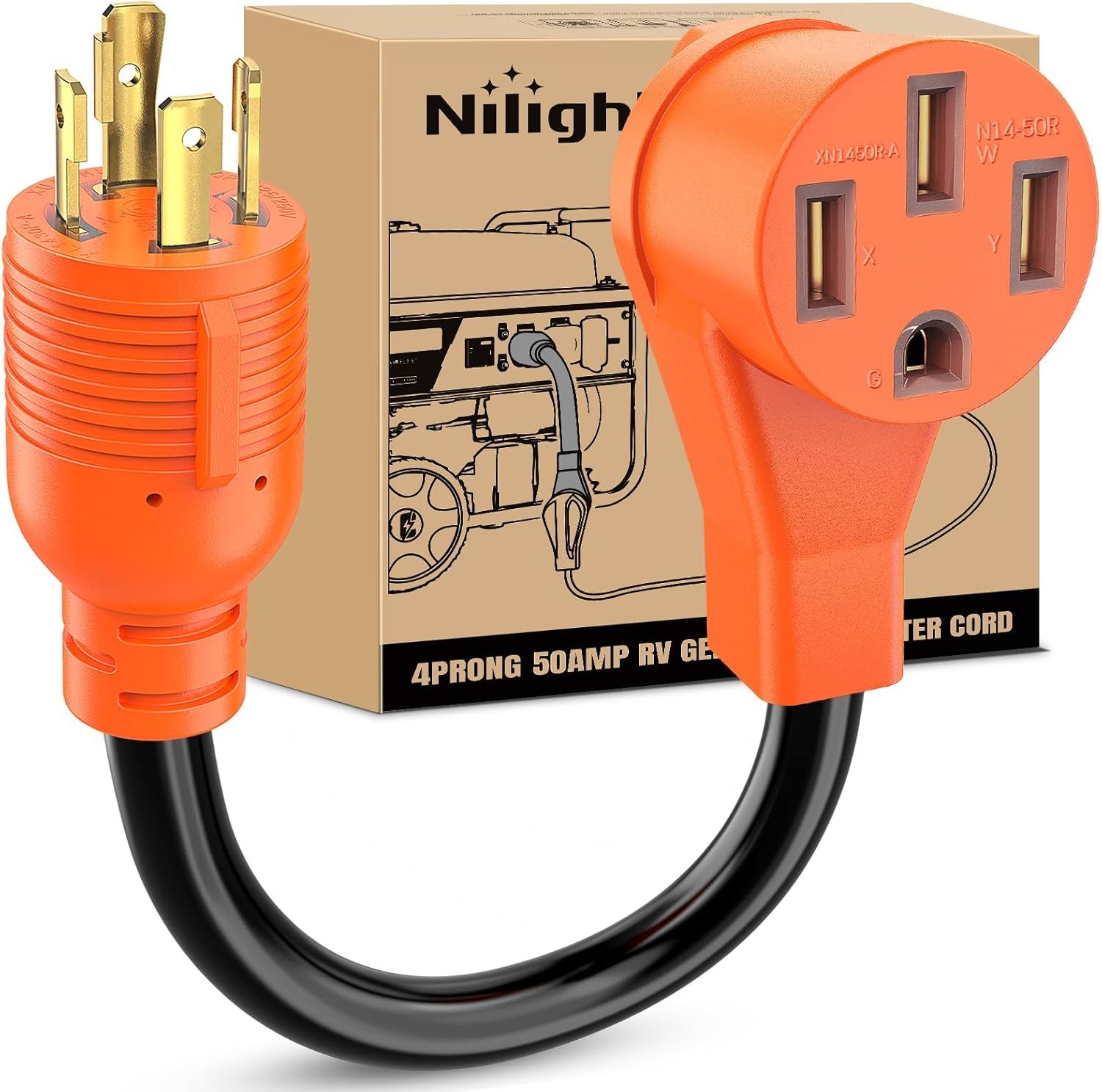
This is one of the most commonly used RV power adapters and offers excellent value for the price. It allows a 30 amp RV to plug into a 50 amp campground pedestal, which is a common situation at modern campgrounds where 30 amp outlets may be limited.
The adapter does not increase available power—it simply allows the connection. It’s best suited for 30 amp RV owners who want flexibility when 30 amp hookups aren’t available.
Pros
- Frequently needed at campgrounds
- Simple, plug-and-play design
- Lightweight and affordable
- Easy to carry as a backup
Cons
- Output remains limited to 30 amps
- Less durable than heavy-duty locking models
- Requires separate surge protection
Best Alternative Option
15A Household to 30A RV Adapter
A household-to-RV adapter is useful in non-camping situations, such as powering your RV at home, in storage, or while loading and cleaning. It allows you to connect to a standard household outlet but provides very limited power.
This option is best reserved for light-duty use, such as battery charging or running small electronics.
Pros
- Convenient for home or storage use
- Compact and inexpensive
- Easy to keep as a backup
Cons
- Extremely limited power availability
- Not suitable for air conditioners or heaters
- Requires careful load management
Buying Guide: What to Look For
When selecting RV electrical adapters, start with amp ratings and connector direction. Always match the adapter to your RV’s power cord—not the campground pedestal. Build quality matters; look for solid blades, tight-fitting connections, and weather-resistant materials.
From a safety standpoint, avoid heat buildup, use adapters only when necessary, and pair them with a surge protector or EMS system whenever possible. Adapters are intended as temporary solutions, not permanent wiring changes.
Who This Is For / Who This Is Not For
Good choice for:
- New RV owners learning campground hookups
- RVers visiting campgrounds with mixed electrical service
- Backup power connection scenarios
Not recommended for:
- Permanent electrical installations
- Increasing available power
- Non-RV electrical applications
Frequently Asked Questions
Do RV power adapters increase available power?
No. Adapters only allow a physical connection and do not increase amperage or wattage.
Is 50 amp to 30 amp safe?
Yes, when used correctly and with proper load management.
Should I use a surge protector with an adapter?
Yes. Surge protection or an EMS system is strongly recommended.
Can I leave an adapter connected long-term?
Adapters are best used temporarily, not as permanent solutions.
Final Verdict
For most RV owners, a heavy-duty locking RV power adapter offers the best balance of safety and durability. A 30A to 50A dogbone adapter provides strong value for common campground situations, while a household adapter is best reserved for light-duty home use. The right choice depends on where you camp and how often you connect to different power sources.
Internal Links
- 30 Amp vs 50 Amp RV Power
- Best RV Surge Protectors
- Portable Power Accessories for RVs
- RV Electrical Safety Basics
Affiliate Disclosure
This site may earn a commission if you purchase products through links on this page. This does not affect the price you pay and helps support our content.