
Best RV Extension Cords for Shore Power (2026 Buyer’s Guide)
Introduction
RV extension cords become essential when a campground power pedestal is located farther away than your RV’s built-in shore power cord can reach. This guide is written for new RV owners who want to understand which extension cords are appropriate for RV use and how to avoid common electrical mistakes.
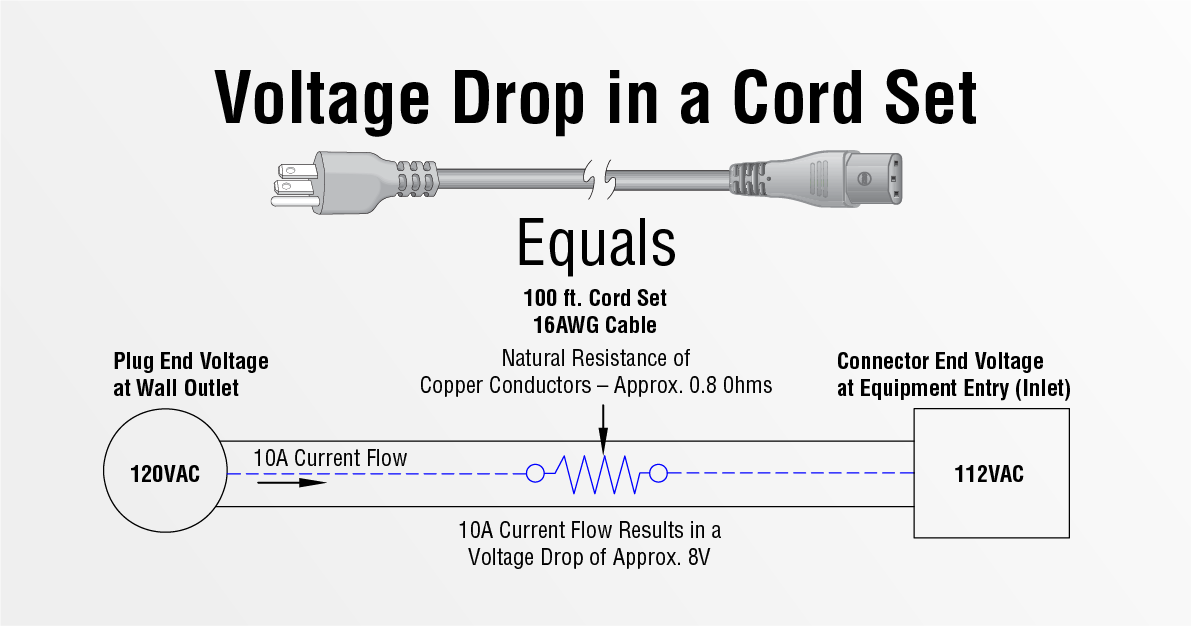
Unlike household extension cords, RV shore power extension cords are designed to handle higher amperage, continuous electrical loads, and outdoor exposure. Using the wrong type of cord—especially one with an incorrect amp rating or insufficient wire gauge—can lead to voltage drop, overheating, nuisance breaker trips, or long-term electrical damage. Cord length also plays an important role: longer runs increase resistance, which raises the risk of reduced voltage under load.
Key factors to consider when choosing an RV extension cord include amp rating (30 amp vs 50 amp), cord length, wire gauge, and overall outdoor durability. In limited situations, GFCI-protected cords may also be useful, particularly for home use or damp environments. This guide focuses on real-world campground scenarios, emphasizing safety, compatibility, and proper usage rather than brand promotion.
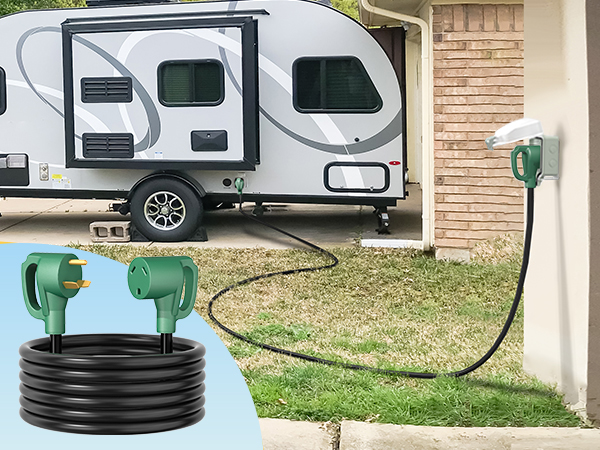
Quick Comparison Table
| Cord Type | Amp Rating | Typical Length | Best For | Notes |
|---|---|---|---|---|
| RV Extension Cord | 30 Amp | 25 ft | Travel trailers and small RVs | Lighter and easier to store |
| RV Extension Cord | 50 Amp | 30 ft | Large RVs and motorhomes | Heavy-duty, higher capacity |
| GFCI Extension Cord | 15–30 Amp | Varies | Home or damp locations | Not intended for full campground loads |
| Outdoor-Rated RV Cord | 30A or 50A | Varies | Frequent outdoor use | UV- and moisture-resistant |
Best Overall Option for 50 Amp RVs
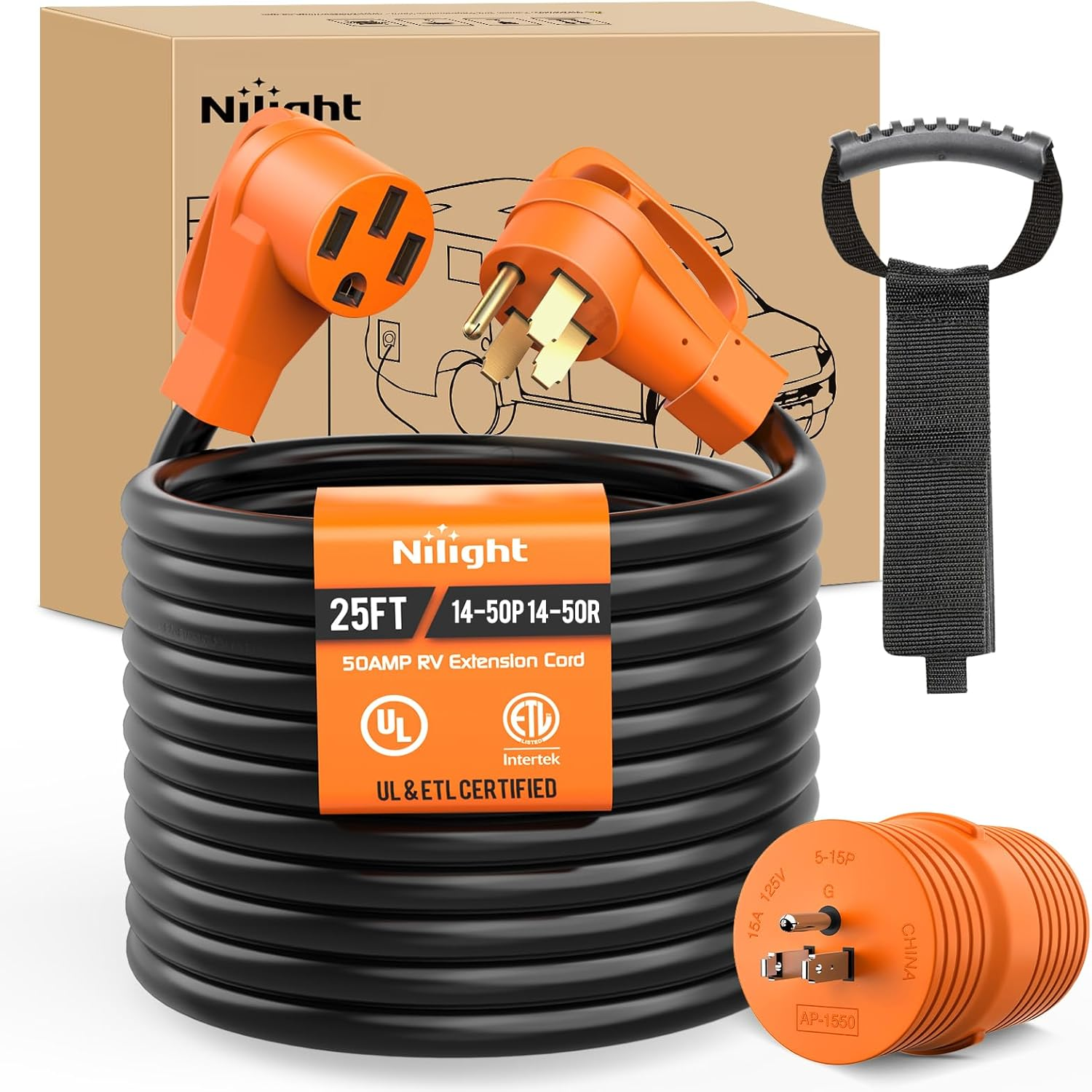
50 Amp Heavy-Duty RV Shore Power Extension Cord (30 ft)
For RVs equipped with 50 amp service, a heavy-duty 50 amp extension cord offers the greatest flexibility and electrical capacity. These cords use thicker conductors to safely handle higher current loads while reducing voltage drop over longer distances.
This type of extension cord is best suited for large fifth wheels and motorhomes that frequently encounter pedestals located far from the parking pad. The primary trade-offs are added weight, bulk, and higher cost.
Pros
- Supports high electrical demand
- Reduced voltage drop compared to lighter cords
- Designed for outdoor campground conditions
- Suitable for extended shore power connections
Cons
- Heavy and less convenient to store
- Higher upfront cost
- Unnecessary for 30 amp RVs
Best Value Option for 30 Amp RVs
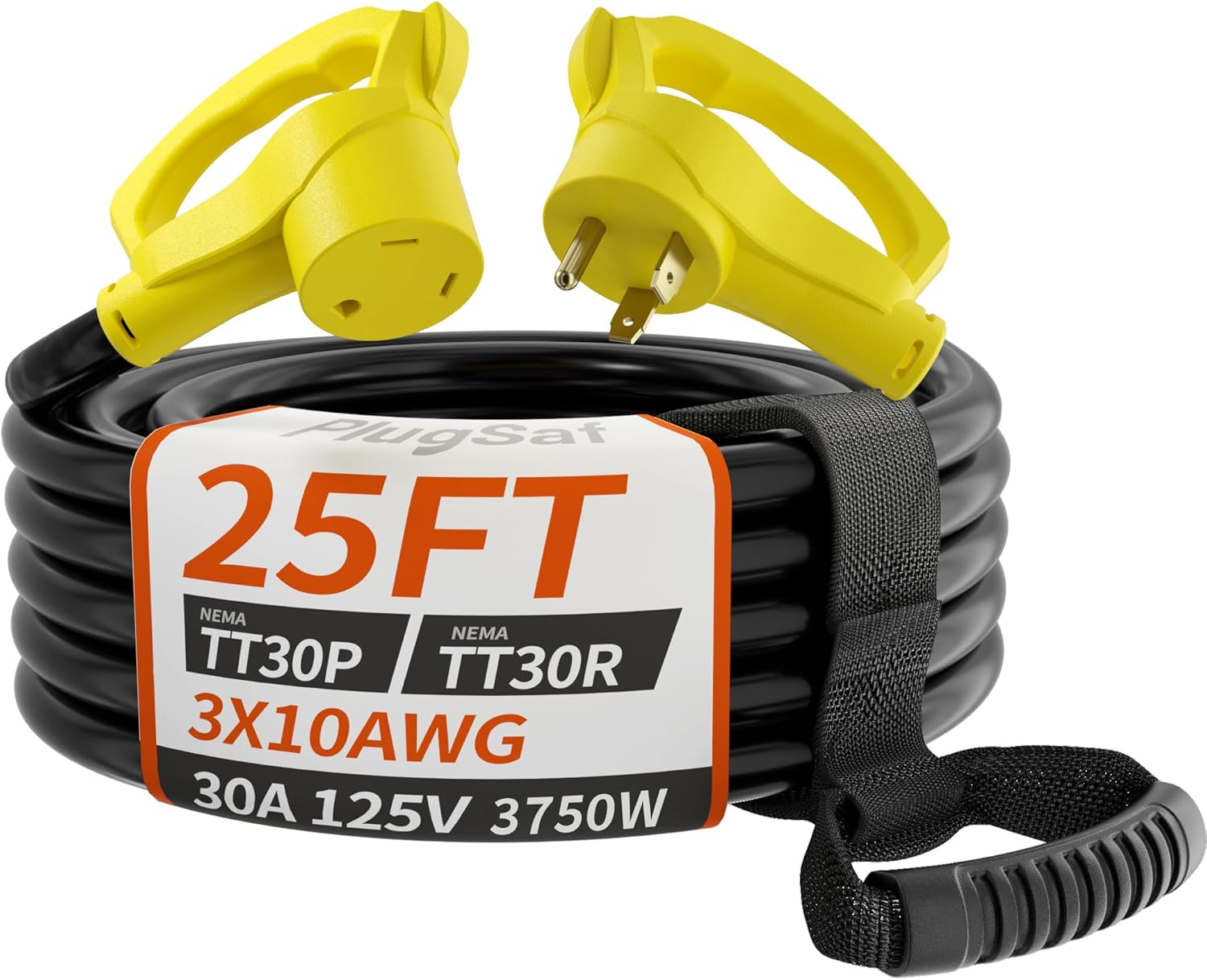
30 Amp Heavy-Duty RV Extension Cord (25 ft)
A 30 amp heavy-duty extension cord provides a practical balance of safety, cost, and usability for most travel trailers and mid-size RVs. A 25-foot length is usually sufficient at most campgrounds without introducing excessive voltage drop.
This option works well for RVers who occasionally need additional reach but want to avoid the weight and expense of longer or higher-rated cords.
Pros
- Correctly matched for most 30 amp RVs
- Easier to handle and coil
- More affordable than 50 amp cords
- Designed for campground use
Cons
- Not compatible with 50 amp RVs
- May be too short for some pedestal layouts
- Still requires proper surge protection
Alternative Use Case: GFCI-Protected Extension Cords
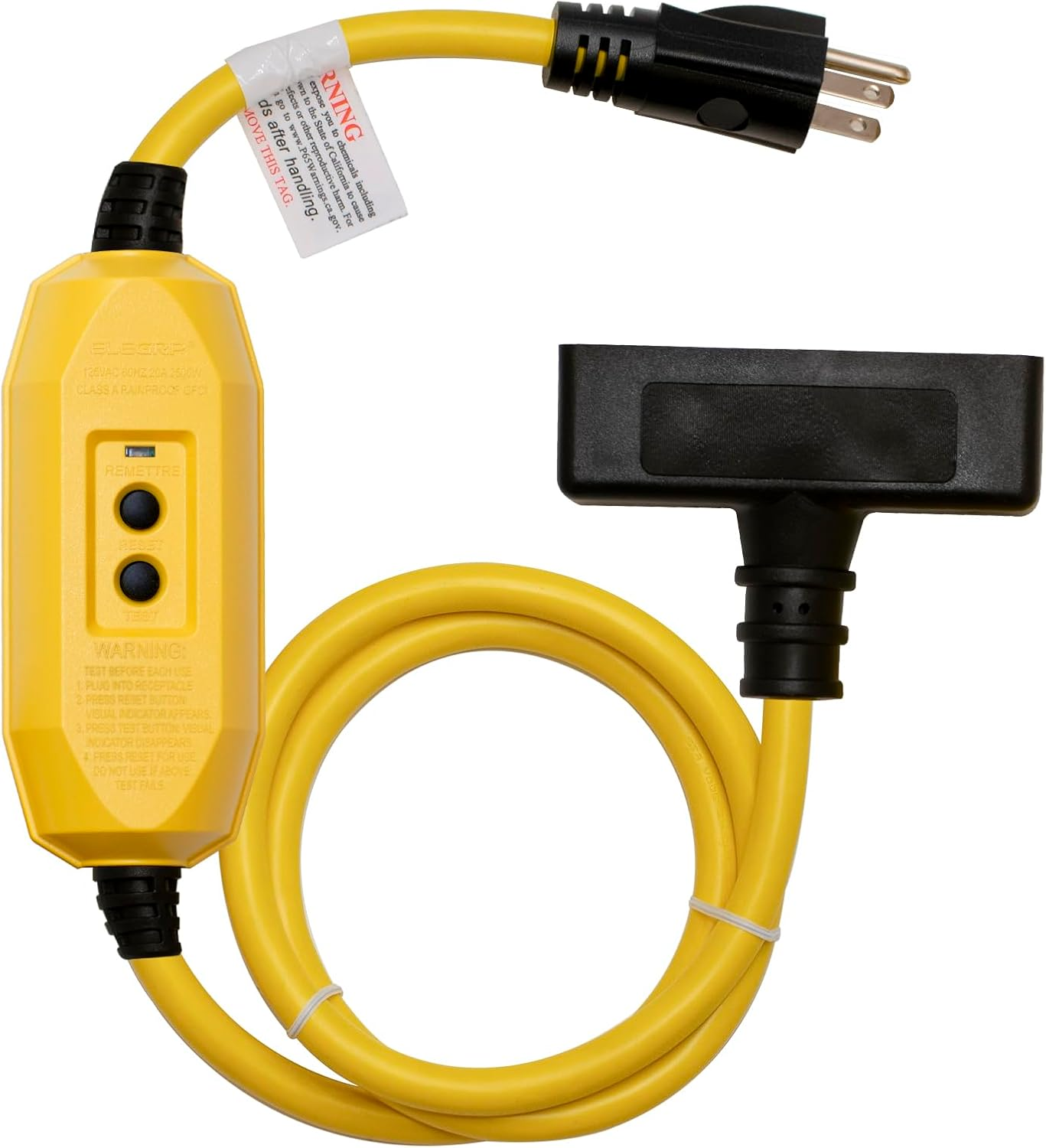
GFCI-Protected RV Extension Cord
GFCI-protected extension cords provide additional ground-fault protection and are best suited for specific situations, such as powering an RV at home, in storage, or in damp environments. These cords are not a replacement for RV-rated shore power extension cords and are not intended for sustained, high-load campground use.
Pros
- Added protection against ground faults
- Useful for residential or storage setups
- Increased safety in wet conditions
Cons
- Not designed for full RV electrical loads
- May trip under higher current draw
- Limited availability in true RV-rated configurations
Buying Guide: What to Look For
- Match the amp rating to your RV (30A or 50A)
- Choose the shortest length that meets your needs
- Select the correct wire gauge for amperage and distance
- Confirm the cord is rated for outdoor use
GFCI protection can be helpful in certain home-use scenarios, but it does not replace a proper RV surge protector or electrical management system (EMS).
Who This Is For / Who This Is Not For
Good choice for:
- New RV owners using campground shore power
- RVers dealing with distant power pedestals
- Temporary extension of factory shore power cords
Not recommended for:
- Permanent electrical installations
- Using household extension cords as substitutes
- Increasing available electrical capacity
Frequently Asked Questions
Can I use a household extension cord for my RV?
No. Household extension cords are not rated for RV amperage or continuous outdoor use.
Does a longer extension cord reduce available power?
Longer cords increase resistance, which can lead to voltage drop if the wire gauge is insufficient.
Do I need GFCI protection at campgrounds?
Most campgrounds already provide electrical protection. GFCI cords are more useful for home or non-standard hookups.
Should I use an extension cord with a surge protector or EMS?
Yes. Surge protection or an EMS should always be part of an RV electrical setup.
Final Verdict
For most RV owners, the safest option is a heavy-duty RV extension cord that matches the amp rating of the RV. Thirty amp RVs benefit from lighter, more manageable cords, while 50 amp RVs require thicker, heavier-duty options to safely handle higher electrical loads. GFCI extension cords are best reserved for limited, non-campground use.
Internal Links
- Best RV Surge Protectors
- 30 Amp vs 50 Amp RV Power
- Portable Power Accessories for RVs
- RV Electrical Safety Guide
Affiliate Disclosure
This site may earn a commission from qualifying purchases made through links on this page. This does not affect the price you pay and helps support our content.