
Introduction
If you’re planning RV trips or camping adventures where electricity isn’t guaranteed, a portable RV generator can make a big difference. These devices provide reliable power for appliances, electronics, and small comforts on the road.
For RV use, generators need to deliver stable power, operate quietly to avoid disturbing neighbors, and be easy to transport. Key factors include maximum wattage, noise levels, weight, and inverter technology, which protects sensitive electronics. Choosing the right generator ensures convenience and safety without unnecessary bulk or noise.
Quick Comparison Table
| Model | Power Output | Noise Level | Weight | Best For | Price | Link |
|---|---|---|---|---|---|---|
| Honda EU2200i | 2200W max | 53 dB | 48 lbs | Sensitive electronics | $$$ | View Here |
| Champion 2000W Inverter Generator | 2000W max | 58 dB | 39 lbs | Lightweight portability | $$ | View Here |
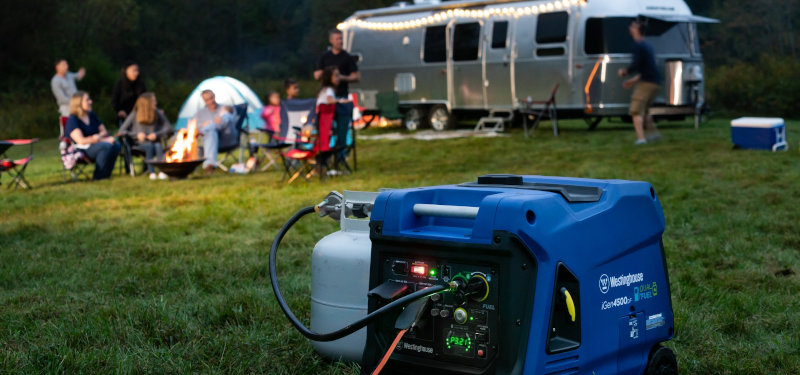
| Westinghouse iGen2200 | 2200W max | 52 dB | 46 lbs | Balanced performance | $$ | View Here |
Best Overall
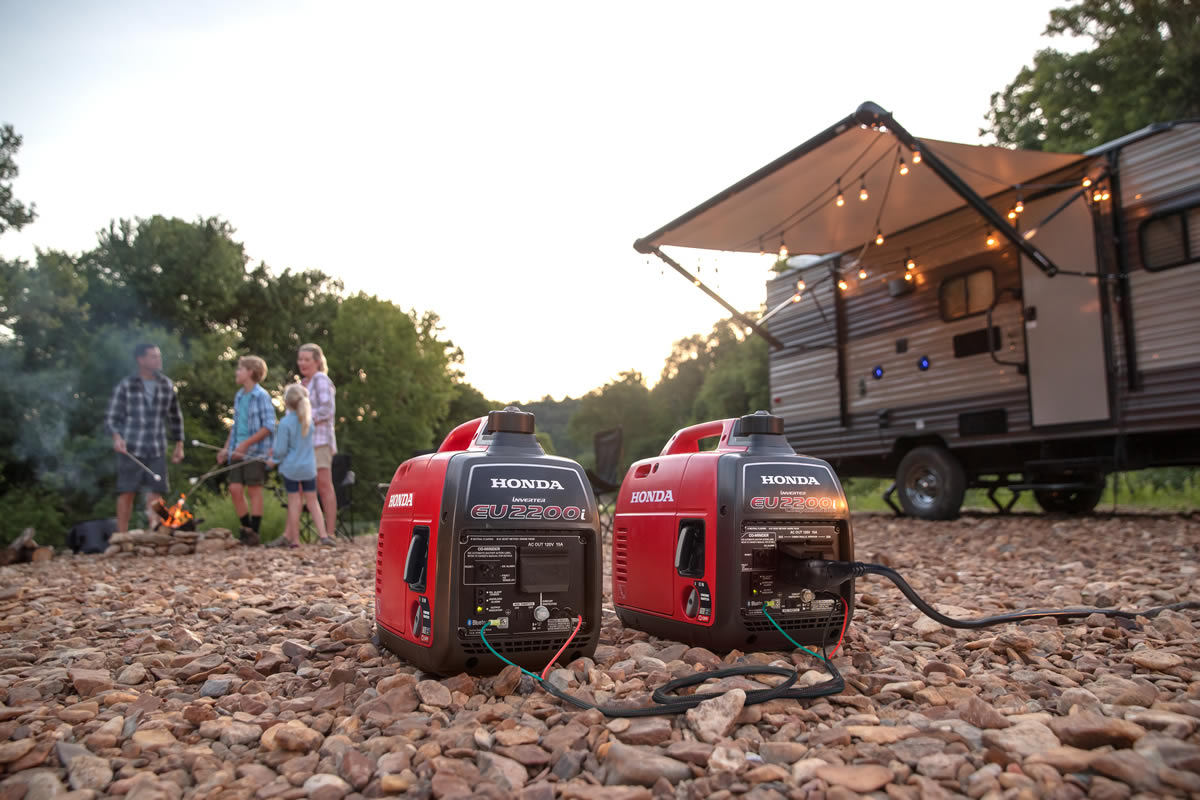
The Honda EU2200i provides reliable, quiet, and stable power suitable for most RV setups. Its 2200W output supports laptops, TVs, and small appliances. Noise at 53 dB is low enough to avoid disturbing fellow campers, and its 48 lb weight is manageable for transport.
Limitations: Slightly heavier and more expensive than some alternatives.
Best suited for: RV owners who value dependable, quiet power.
- Pros:
- 2200W maximum output
- Quiet operation (53 dB)
- Inverter technology protects electronics
- Reliable Honda engineering
- Cons:
- Higher price
- Slightly heavier than some competitors
Best Value
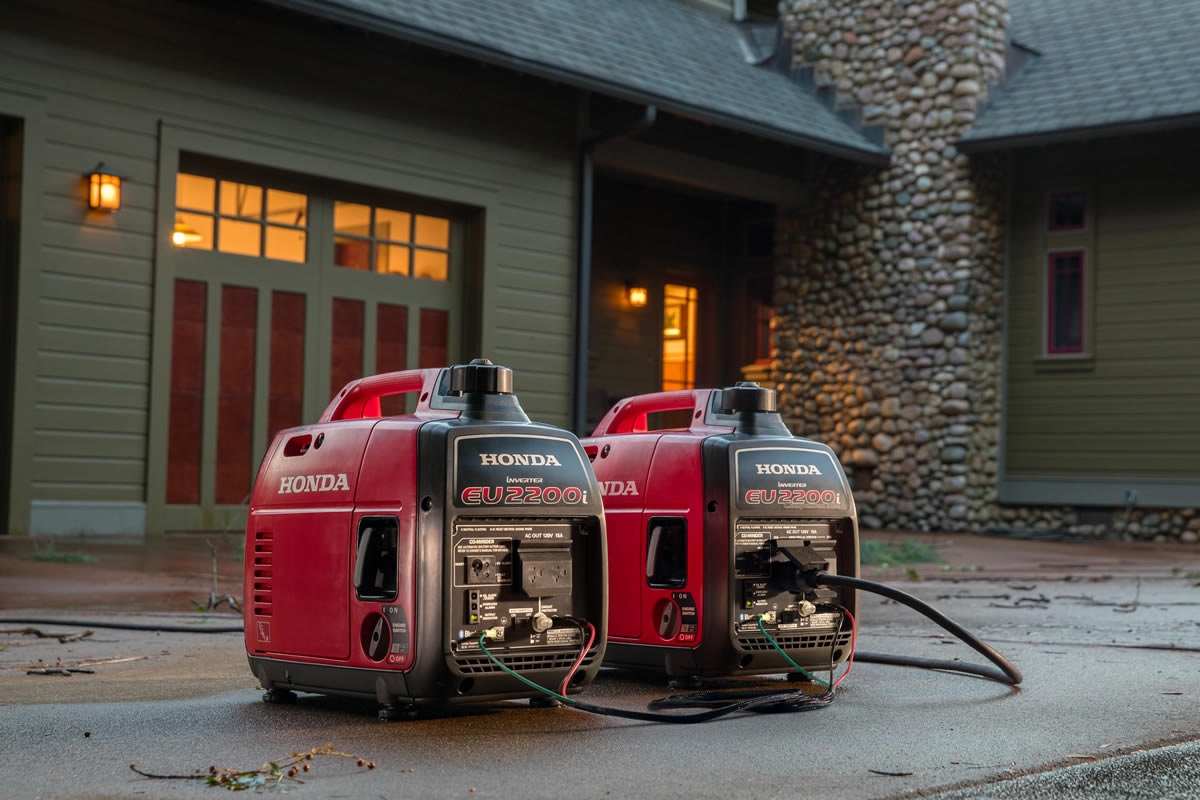
The Champion 2000W Inverter Generator balances portability and affordability. At 39 lbs, it is easy to carry and store. While its 2000W output is slightly lower than the Honda, it can power most small appliances and electronics. Noise at 58 dB is noticeable but generally acceptable for outdoor use.
Ideal for: Casual RV campers who need portable power without a premium price.
- Pros:
- Lightweight (39 lbs)
- Affordable
- Inverter technology for electronics
- Easy to transport and store
- Cons:
- Louder at 58 dB
- Lower maximum power may limit simultaneous appliance use
- Less brand recognition than Honda
Alternative Option
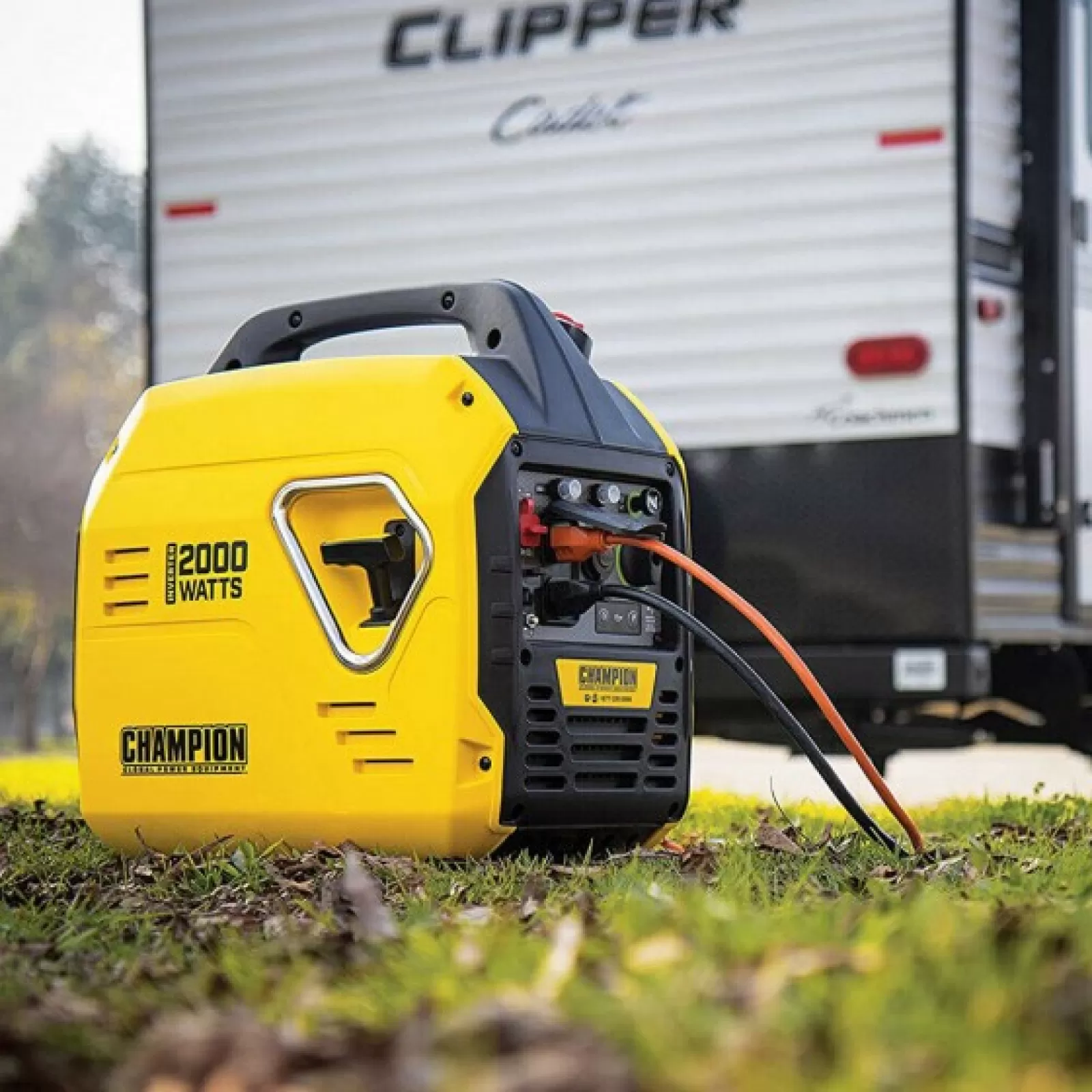
The Westinghouse iGen2200 is a solid alternative, offering 2200W output at 52 dB—slightly quieter than the Honda. Weighing 46 lbs, it balances portability and performance. While not as widely recognized, it is suitable for RV users prioritizing low-noise operation at a mid-range price.
Ideal for: RV users seeking quiet operation with balanced specifications.
- Pros:
- 2200W max output
- Quiet operation (52 dB)
- Inverter generator
- Reasonable weight (46 lbs)
- Cons:
- Slightly heavier than Champion
- Less established brand
- Limited dealer support compared to Honda
Buying Guide: What to Look For
When choosing a portable RV generator, consider:
- Power requirements: Calculate total wattage for all devices you plan to run simultaneously. Models in the 2000–2200W range handle most small RV appliances.
- Portability and weight: Lighter generators (under 50 lbs) are easier to transport and store.
- Noise considerations: Generators under 55 dB are suitable for quiet campground operation.
- Fuel type: Gasoline is common, but ensure safe storage and refueling practices.
- Safety and compatibility: Inverter generators provide stable power for electronics and reduce the risk of damage.
Additional Context:
Generators come in inverter and conventional types. Inverter models are quieter, more fuel-efficient, and safer for sensitive electronics. Conventional generators are often less expensive but may be louder and less stable.
Who This Is For / Who This Is Not For
Good choice for:
- RV owners who need portable electricity
- Campers running small appliances and electronics
- Users who value quiet operation
- People comfortable handling fuel and generator maintenance
Not recommended for:
- Users needing high-power equipment over 2200W
- Those unwilling to handle gasoline safely
- Campers seeking fully silent, battery-only power
Frequently Asked Questions
Q: Can these generators run air conditioners in an RV?
A: Most small RV AC units require more than 2200W at startup. These generators may power very small units or portable ACs, but standard rooftop AC units generally need a larger generator.
Q: How long can they run on a full tank?
A: Run time depends on load and tank size. Light loads may allow 6–10 hours, while heavier loads reduce runtime. Check manufacturer specifications for exact figures.
Q: Are these safe for sensitive electronics?
A: Yes, all three models use inverter technology, providing stable power suitable for laptops, TVs, and other electronics.
Q: Can I use these indoors?
A: No. Gasoline generators must be operated outdoors to avoid carbon monoxide hazards.
Q: How heavy are these generators to move?
A: Weight ranges from 39 lbs (Champion) to 48 lbs (Honda), manageable for two people or with a hand truck.
Final Verdict
For RV camping, the Honda EU2200i offers reliable, quiet, and stable power. The Champion 2000W provides a portable, cost-conscious option, and the Westinghouse iGen2200 is ideal for those prioritizing quiet operation at a mid-range price. Consider your power needs, noise tolerance, and budget to select the best fit for your RV setup.
Internal Links
- Best RV Generators Guide 2026
- Inverter vs Conventional Generators Comparison
- Portable Power Accessories for RVs
Affiliate Disclosure
This article contains affiliate links. We may earn a commission if you purchase products through these links at no additional cost to you.