
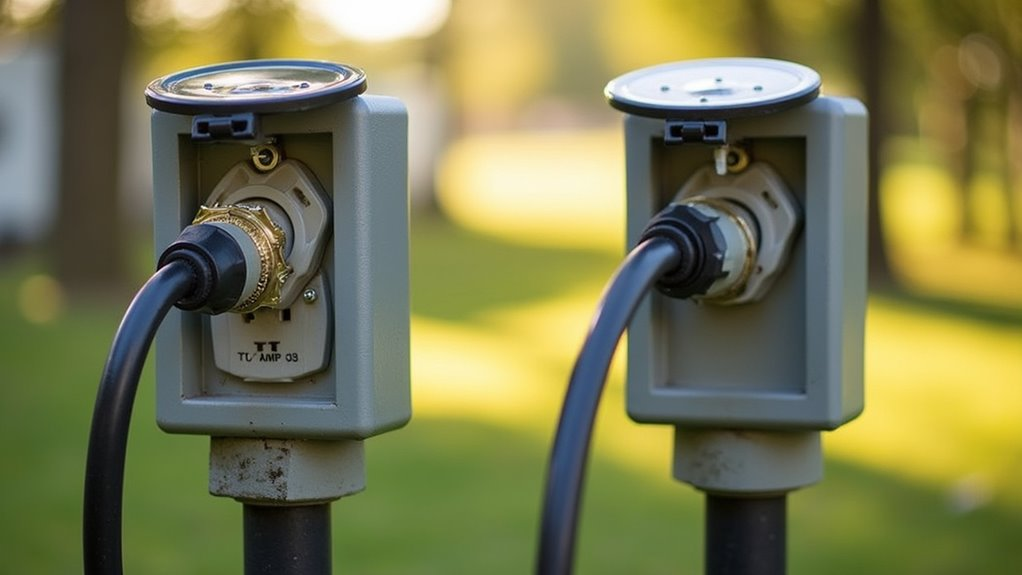
30 Amp vs 50 Amp RV Power: What’s the Difference & Which Is Right for You?
Introduction
One of the most common sources of confusion for new RV owners is understanding the difference between 30 amp vs 50 amp RV power. Campground electrical hookups may appear similar, but the type of service your RV is designed for directly affects how much electricity you can safely use, which appliances can run at the same time, and what equipment is required to stay protected.
This distinction matters. Using the wrong power source—or misunderstanding your RV’s electrical limits—can lead to tripped breakers, damaged appliances, or unsafe conditions. It also influences related decisions around generators, surge protectors, and adapters, all of which must be compatible with your RV’s electrical system.
This article is written for RV owners who are new to RV electrical systems or considering a different rig. The goal is to explain 30 amp RV service and 50 amp RV service in clear, practical terms using real-world examples. This is an educational guide focused on safety and compatibility, not product sales.
Section 1: Basic Overview
30 Amp RV Power
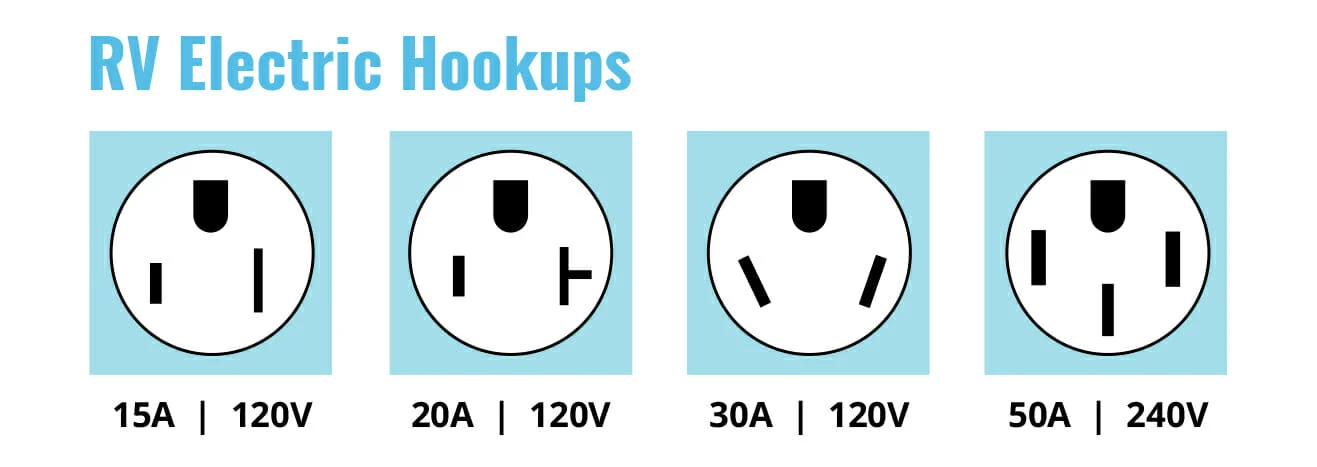
30 amp RV power uses a single 120-volt hot wire and delivers up to 30 amps of current, for a maximum of 3,600 watts (120V × 30A). This setup is common on smaller travel trailers, pop-up campers, and many older RVs. With 30 amp service, managing power usage is essential—running an air conditioner, microwave, and electric water heater at the same time can quickly exceed available capacity.
50 Amp RV Power
50 amp RV power uses two separate 120-volt hot wires, each capable of supplying up to 50 amps. This provides a total capacity of up to 12,000 watts (120V × 50A × 2). This service is typically found on larger fifth wheels and motorhomes that support multiple air conditioners and higher overall electrical demand.
Both systems are designed specifically for RV use, but they are not interchangeable without the correct adapters and protective equipment.
Section 2: Key Differences
| Feature | 30 Amp RV Power | 50 Amp RV Power |
|---|---|---|
| Power capacity | Up to 3,600 watts | Up to 12,000 watts |
| Electrical design | Single 120V hot wire | Two 120V hot wires |
| Typical RV size | Small to mid-size RVs | Large RVs and motorhomes |
| Campground availability | Very common | Common at larger campgrounds |
| Equipment cost | Generally lower | Generally higher |
| Safety considerations | Easier to overload | Higher capacity but more complex |
Section 3: Pros and Cons
30 Amp RV Power
Pros
- Simpler electrical system
- Widely available at campgrounds
- Lower-cost equipment and accessories
- Well suited for smaller RVs with limited appliances
Cons
- Limited total wattage
- Requires careful power management
- Circuits are easier to overload
50 Amp RV Power
Pros
- Significantly higher power capacity
- Supports multiple high-draw appliances at once
- Better suited for large RVs or full-time use
- Less frequent breaker tripping under normal loads
Cons
- Higher cost for electrical components
- Not available at all campgrounds
- Heavier cords and bulkier equipment
Section 4: Choosing the Right Amp Service
The right choice depends on your RV’s design, not personal preference. RVs are built for either 30 amp RV service or 50 amp RV service, and changing that design is not something that should be done casually.
- Smaller travel trailers and campers typically use 30 amp power and operate reliably with basic appliances.
- Large fifth wheels and motorhomes usually require 50 amp service to support multiple air conditioners and residential-style equipment.
- Campground availability matters. Many parks offer both options, but some older campgrounds only provide 30 amp hookups.
- Generator or off-grid use considerations: 50 amp RVs often require larger generators or dual-generator setups to meet demand.
Tip: Adapters only change the plug configuration—they do not increase your RV’s internal electrical capacity.
Section 5: Common Misconceptions
- “50 amp is just twice as strong as 30 amp.” In reality, 50 amp RV service provides more than three times the usable wattage.
- “Using a 50 amp adapter gives my 30 amp RV more power.” Your RV remains limited by its internal wiring and breaker panel.
- “All campgrounds support 50 amp power.” Many smaller or older campgrounds do not offer 50 amp service.
- “Bigger is always better.” Higher-rated equipment adds cost without benefit if your RV cannot use it.
Section 6: Frequently Asked Questions
Can a 30 amp RV plug into a 50 amp pedestal?
Yes, with a properly rated adapter, but the RV will still be limited to 30 amps. Always use an adapter rated for your RV’s amperage.
Can a 50 amp RV use a 30 amp hookup?
Yes, but you must carefully manage appliance use. Running multiple high-draw devices may trip breakers.
Does 50 amp RV power use 240 volts?
No. RVs use two separate 120-volt legs, not 240-volt appliances.
Does this affect surge protectors?
Yes. Surge protectors and EMS systems must match your RV’s amp rating to function correctly.
Does generator size depend on amp service?
Yes. 50 amp RVs generally require larger or dual-generator setups to meet electrical demand.
Related Recommendations
Final Summary
The difference between 30 amp vs 50 amp RV power comes down to electrical capacity, RV size, and how you use your rig. Thirty amp service is simpler and sufficient for smaller RVs, while fifty amp service supports higher electrical demand in larger setups. Understanding this distinction helps prevent electrical problems, improves safety, and ensures compatibility with campground hookups, generators, and protective equipment.